
Traveling the world, at its core, is more than just moving across borders—it’s an immersive experience. It offers a rare opportunity to see how people in different corners of the world manage their lives, express their values, and solve everyday problems. As travelers step into unfamiliar routines, they start to notice the subtleties of society in action, from transportation to healthcare to social etiquette.
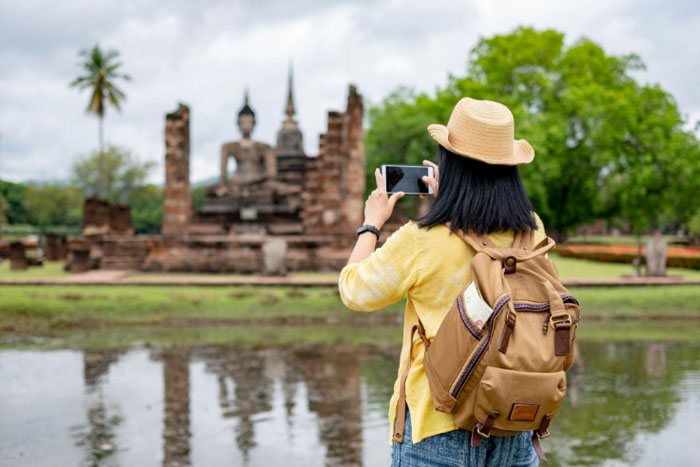
These exposures often challenge assumptions, forcing reflection and adaptation. Through the discomfort of missed cues and unfamiliar customs, growth takes root. The insights gained abroad continue to influence how people connect, lead, and navigate life long after the journey ends. Ultimately, Evan Weiss, St Louis, says that traveling doesn’t just broaden horizons—it reshapes the lens through which we view ourselves and the world around us.
Observing How Systems Function Abroad
Traveling offers a firsthand look at how everyday systems operate differently across the world. Whether it’s navigating a city by train in Tokyo or visiting a local health clinic in rural Spain, travelers quickly notice how infrastructure reflects local priorities. These encounters often highlight contrasts in organization, accessibility, and user experience, prompting a natural comparison with what they’re used to back home.
What Systems Reveal About Society
The way a country designs and maintains its public systems often says more about its values than any official slogan or tourism campaign. A nation where trains arrive on the dot and stations are spotless likely places a high premium on order and punctuality. In contrast, a flexible and informal approach to scheduling might suggest a culture that prioritizes relationships and adaptability over rigid structure.
Even small details—like whether a city has safe bike lanes or how easily people can access public restrooms—reflect larger patterns of care, inclusion, and long-term planning. These choices aren’t accidental; they show what a community believes is worth investing in. Travelers begin to see that what they once thought of as universal standards are often just local preferences shaped by different social values.
Experiencing Culture in Everyday Life
Culture shows up in the rhythm of daily life, not just in holidays or museums. The way people greet each other, how they queue, or whether they value silence over conversation—these subtle signals form the fabric of a place. In some cities, sharing a table with strangers at a café feels normal, while in others, personal space is guarded closely.
Time itself can mean different things in different cultures. In some places, a 2 p.m. meeting starts at 2:15 without concern; elsewhere, arriving late is a sign of disrespect. These habits shape how people relate, work, and relax, revealing priorities that aren’t always immediately visible. Observing these rhythms offers a deeper understanding of how people live and what they expect from one another.
Becoming Aware of Personal Assumptions
What feels like common sense at home can suddenly seem out of place abroad. Whether it’s navigating a meal without familiar table manners or realizing that small talk is interpreted differently, these moments can unsettle and enlighten at the same time.
It’s often in the awkward moments—when a greeting goes unreturned or a gesture is misunderstood—that people recognize their own cultural differences. Being immersed in a new surrounding strips away the familiar and makes room for reflection. The discomfort isn’t always pleasant, but it often leads to a more honest look at one’s habits and assumptions.
There’s a certain kind of learning that only happens when things don’t go smoothly. Missing a bus in a foreign country, struggling to communicate with hand gestures, or misreading a social cue—these are the moments that test patience and creativity. Each setback is a lesson in adaptability, testing how quickly one can recalibrate without losing confidence.
The process of adjusting to unfamiliar norms fosters humility. It’s not about mastering every custom perfectly, but about showing a willingness to listen, observe, and adapt. These experiences deepen empathy, making it easier to connect with others even when the languages or customs are unfamiliar.
Carrying Lessons Forward
Experiences gained while navigating another culture don’t stay behind at the border. They have a way of showing up later—in how someone leads a team, listens during a disagreement, or approaches challenges with a broader lens.
Whether it’s rethinking what efficiency really means or discovering new ways to build community, these lessons take root quietly and reshape how people move through the world. Travel doesn’t just change how we see others; it reshapes how we see ourselves and what we believe is possible.