
In times of uncertainty, great leadership emerges not just through bold decisions but through consistency, resilience, and trust. For Eric Schnabel, whether it was in combat zones or corporate boardrooms, the principles that define effective leadership remain strikingly similar.
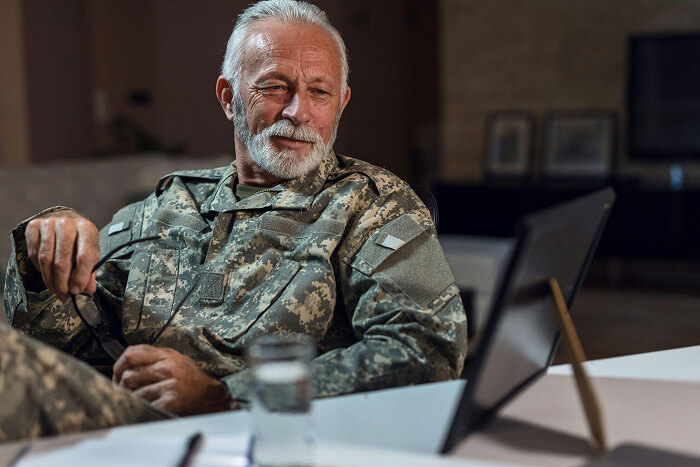
Veterans, particularly those with infantry experience, often carry with them a skillset forged in high-pressure situations—skills that translate seamlessly into civilian life. From staying calm under immense stress to building trust when everything feels uncertain, these leaders exhibit traits that inspire confidence, adaptability, and accountability. They don’t just react to crises—they guide others through them.
Staying Focused and Making Decisions Under Stress
When pressure mounts, clarity becomes a leader’s most valuable asset. In combat, decisions often need to be made in seconds, sometimes with incomplete information. A seasoned infantry officer learns to filter chaos, prioritize critical actions, and remain composed even when the stakes are life and death. That ability to focus amidst noise can be the difference between mission success and failure.
In civilian life, while the context is different, the need for clarity under stress remains. Whether navigating a corporate crisis or managing a team during sudden change, leaders who stay level-headed inspire confidence and make better decisions. They provide a sense of structure when things feel uncertain, allowing others to focus on solutions instead of dread.
Building Trust and Communication in Uncertain Times
Trust isn’t granted—it’s earned through consistency, honesty, and shared experience. In the military, team members often rely on each other for survival, which creates a unique bond built on mutual respect and transparency. Leaders who communicate clearly, listen actively, and never ask others to do what they wouldn’t do themselves foster loyalty that endures. That bond becomes a silent contract in high-pressure moments.
In volatile moments, people don’t just look for direction—they look for reassurance. A leader who says, “I’ve got you,” and means it, creates a culture where people feel secure enough to perform at their best, even when everything around them feels uncertain.
Accountability and Leading by Example
True leadership starts with owning the outcome—good or bad. In military settings, there’s no room to shift blame. A platoon leader who takes responsibility when things go wrong gains credibility, even in failure. It’s not about perfection; it’s about honesty and consistency in word and action. Others are more likely to follow when they see that kind of integrity in action.
In any setting, people notice when leaders lead from the front. Whether it’s staying late with the team or standing by a tough call, actions speak louder than directives. Leadership is often felt more than it is seen—it’s embedded in day-to-day choices and in how challenges are handled.
Adapting While Staying Mission-Oriented
Conditions rarely stay ideal. Leaders who succeed are those who pivot quickly without losing sight of the bigger picture. In combat scenarios, shifting terrain or an unexpected variable can flip plans on their head. A mission-first mindset helps leaders absorb disruption while keeping their teams aligned and focused.
A veteran officer once described how, during a humanitarian operation following a natural disaster, plans changed hourly. Roads were impassable, supply chains failed, and communication was limited. Instead of freezing, the team adapted—switching delivery routes, reallocating roles, and trusting junior leaders to take initiative. The mission never changed, but the path did constantly.
The same principle applies in fast-paced industries or during moments of disruption. Leaders who communicate the “why,” even as the “how” changes, keep their teams motivated and moving forward. Adaptability becomes the bridge between uncertainty and execution.
Preparing Future Leaders
Good leaders don’t just lead—they prepare others to lead as well. In the military, mentorship isn’t optional; it’s baked into the culture. Junior officers are guided not only in tactics but in values, mindset, and resilience.
One officer recalled being mentored by a senior leader who never raised his voice, yet commanded deep respect. Through quiet confidence and relentless support, he taught by doing. Years later, that influence shaped how others were mentored in turn. The impact of strong mentorship doesn’t fade—it echoes through generations of leaders.
Civilian leaders can cultivate the same ripple effect. Empowering others, offering real responsibility, and being available to guide—not just correct—creates depth within any organization.