
The relationship between humans and dogs is one of the most enduring and impactful in the animal kingdom. From the earliest days of domestication, this bond has evolved into a deep emotional and physiological connection that benefits both species. For some dogs have become more than just companions; they are emotional supports and even communicative partners. Science now reveals that this connection is not just behavioral but also biological, involving hormones and emotional cues. Their loyalty and emotional sensitivity mirror our own, creating a feedback loop of care and trust.
A Long-Standing Partnership
As Kelln Small notes, humans and dogs have shared a close relationship for thousands of years, with archaeological evidence pointing to domesticated dogs living alongside humans as far back as 15,000 years ago. Early humans likely relied on dogs for guarding, hunting assistance, and companionship in harsh environments.
Dogs evolved traits that made them especially compatible with people, such as attentiveness to human cues and an ability to live within social groups. In return, humans provided shelter, food, and protection. This dynamic gradually led to a unique interspecies bond, one that continues to influence how both interact and thrive together today.
Oxytocin and Interaction
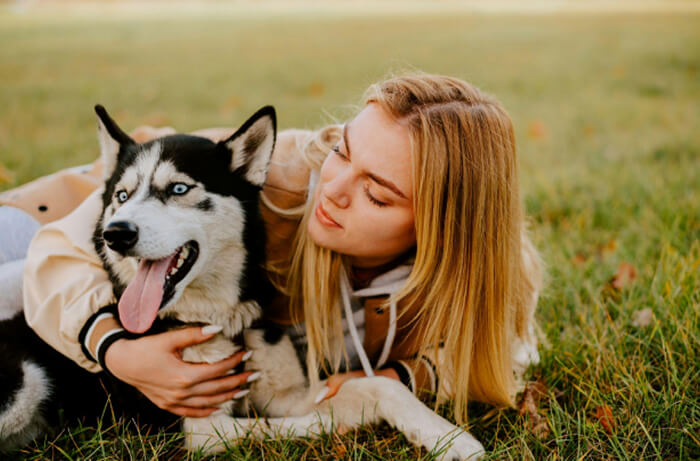
When humans and dogs interact, something remarkable happens on a chemical level. Oxytocin, often referred to as the “love hormone,” is released in both species during moments of shared affection, such as petting or making eye contact. This hormonal response fosters feelings of trust and attachment, reinforcing the emotional connection between them.
Research has shown that the oxytocin exchange between dogs and their owners mirrors the hormonal patterns seen between parents and their infants. A simple gaze from a beloved dog can trigger this response, creating a feedback loop that strengthens their relationship over time. This biological connection makes the companionship feel more natural and emotionally fulfilling.
Emotional Understanding and Communication
Dogs have an impressive ability to tune into human emotions. Studies show that they can distinguish between different facial expressions, reacting differently to happiness, anger, or sadness. Their sensitivity to tone of voice also helps them interpret moods and intentions, allowing them to respond in ways that often feel intuitive to their human companions.
This emotional intelligence extends to physical cues. A dog can follow a person’s gaze or respond to a pointed finger, understanding these gestures as meaningful communication. Some dogs have even been trained to detect subtle changes in human behavior that signal anxiety or distress.
Effects on Humans
Spending time with dogs has been linked to a variety of mental health benefits. Many dog owners report feeling calmer and more emotionally balanced after interacting with their pets. This soothing effect is especially noticeable during times of stress or emotional upheaval, when simply sitting beside a dog can offer a sense of grounding and comfort.
Beyond emotional support, dogs also contribute to physical well-being. Regular walks promote cardiovascular health and increase daily activity levels. Their presence can even lower blood pressure and heart rate, creating a subtle but powerful influence on overall health. In therapeutic settings, trained dogs are used to assist people with PTSD, autism, and other conditions, offering not just companionship but measurable clinical improvements. The presence of a dog can also encourage social interaction, which is especially helpful for individuals facing isolation or depression.
Mutual Influence on Behavior and Well-Being
The relationship between humans and dogs is not one-sided—dogs are highly responsive to the emotional states of their owners. A happy, calm person is more likely to have a relaxed dog, while chronic stress or inconsistent behavior from a human can make a dog anxious or reactive. This emotional mirroring suggests a deep, reciprocal bond where both species shape each other’s daily experiences.
How a dog behaves is often a reflection of the environment provided by its human companion. Consistent routines, positive reinforcement, and affectionate interaction can nurture confidence and stability in a dog’s temperament. On the other hand, neglect or inconsistent training can lead to confusion and stress. The healthiest relationships are built on mutual understanding, where both benefit from the emotional cues they share.
Ongoing Research
Recent studies in genetics and neuroscience continue to uncover how closely dog evolution has been intertwined with ours. Archaeological discoveries of ancient burial sites with humans and dogs together suggest that the emotional bond between the two species dates back further than once believed. As research progresses, scientists are beginning to explore just how far canine empathy extends and how their minds process complex social information. New technologies, such as brain imaging in awake dogs, are shedding light on just how sophisticated their perception of human emotions truly is.