
Humanitarian resource planning plays a vital role in crisis response, combining strategic foresight with operational agility to provide timely, effective aid. In today’s global scene, emergencies are becoming more complex, spanning natural disasters, conflict, and public health threats. Proper planning ensures that resources are allocated efficiently and that support is responsive and adaptive.
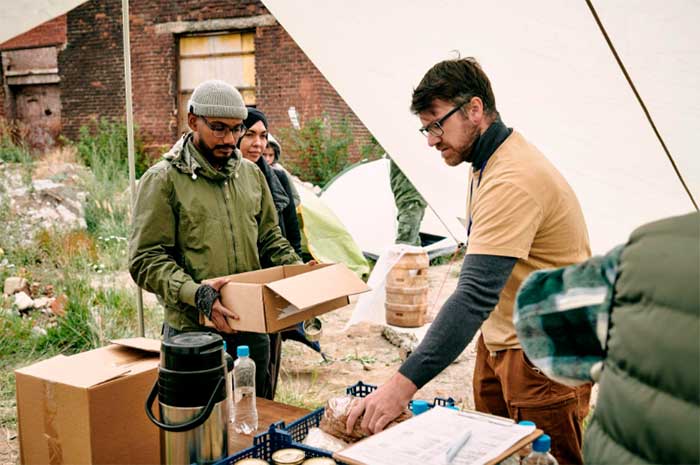
With the expansion of humanitarian initiatives, Mazen Mokhtar stresses that organizations are placing a greater emphasis on regional partnerships, data-driven decision-making, and flexible systems that can respond to fast-changing conditions. Integrating lessons from recent crises with emerging tools like predictive analytics and mobile platforms is paving the way for more resilient and inclusive planning models. By aligning systems with innovations and local insights, humanitarian actors can create stronger, more adaptive planning frameworks that meet the growing demands of humanitarian work worldwide.
Core Components and Priorities
At the heart of humanitarian resource planning is the ability to identify who needs help, what they need, and when they need it. This starts with rapid needs assessments that gather crucial information from affected communities. Knowing whether a region requires clean water, medical aid, or shelter helps organizations direct resources with purpose and precision.
Strategic goal-setting ensures that humanitarian responses are not just reactive but measurable and time-sensitive. Clear priorities keep operations focused, especially in chaotic backdrops where resources are stretched thin. During the early stages of a drought crisis, setting a timeline for water distribution can prevent long-term displacement and disease outbreaks.
Effective allocation of personnel, supplies, and funding depends on an accurate interpretation of immediate and future needs. A well-structured plan also considers mobility, storage, and distribution networks to avoid bottlenecks that can delay lifesaving aid. Failure to coordinate these logistics can mean the difference between a successful intervention and a missed opportunity to save lives.
Tools, Systems, and Technology
Modern humanitarian planning relies heavily on digital tools and systems to manage complex logistics. Platforms that track inventory, monitor supply chains, and visualize data in real time allow teams to make faster, better-informed decisions. In remote or rapidly changing contexts, mobile apps and satellite data can bridge information gaps and keep response teams aligned. Some organizations have begun integrating drones to assist in assessing damage and locating survivors.
Technology also plays a key role in communication and coordination. Shared dashboards and cloud-based systems enable different agencies to collaborate without duplication or misinformation. During cyclone recovery efforts in Southeast Asia, such tools helped agencies coordinate shelter distribution while tracking gaps in aid coverage. Seamless information sharing can reduce redundancy and ensure no community is overlooked.
The ability to adapt plans quickly based on incoming data is critical. Interactive mapping systems and predictive analytics not only improve efficiency but also help anticipate secondary impacts, such as disease outbreaks following a flood. In the future, machine learning may further refine these predictions and enhance real-time adaptability.
Common Obstacles
One of the biggest challenges in planning is the instability of funding. Aid budgets can fluctuate dramatically, making it difficult to maintain consistent operations or scale up responses when crises escalate. This unpredictability often forces organizations to make hard choices about where to focus their limited resources. In some cases, programs are paused mid-implementation due to sudden financial constraints.
Political interference and access restrictions can further complicate efforts. In some conflict zones, humanitarian workers face delays or are denied entry altogether, limiting their ability to assess and deliver critical supplies. Logistical hurdles—like damaged roads, limited storage, or fuel shortages—can add even more pressure in time-sensitive situations.
Coordination among multiple organizations is another persistent issue. When several agencies operate independently without a shared strategy, it can result in duplicated efforts or critical gaps in aid delivery. In fast-moving emergencies, the lack of clear communication pathways can hinder effective collaboration and leave vulnerable populations underserved.
Strengthening Planning Approaches
Improving the effectiveness of humanitarian planning involves investing in local partnerships and community leadership. Local actors often have better access, contextual knowledge, and trust within the affected population, making them essential to the planning and implementation phases. Their insights can shape more culturally appropriate and sustainable solutions.
Scenario planning has gained traction as a way to prepare for uncertainty. By simulating potential future events, such as a second wave of displacement or a cholera outbreak, organizations can test their plans and adjust them before the crisis worsens. This kind of foresight is especially valuable in protracted emergencies where conditions shift quickly. Exercises like tabletop simulations or red-teaming help refine coordination and identify weak spots in the response.
Transparency and adaptability are equally important. Sharing data across agencies and using real-time feedback to revise plans helps ensure that aid efforts remain relevant and responsive. When organizations continuously evaluate their methods and outcomes, they’re better equipped to deal with emerging challenges and avoid repeating past missteps.