
As urban populations rise and sustainability becomes a growing priority, cities across the United States are exploring innovative transportation solutions to ease congestion and reduce environmental impact. Single-Occupant Electric Vehicles (SOEVs) have emerged as a promising option, offering compact size, energy efficiency, and flexibility for short-distance travel.
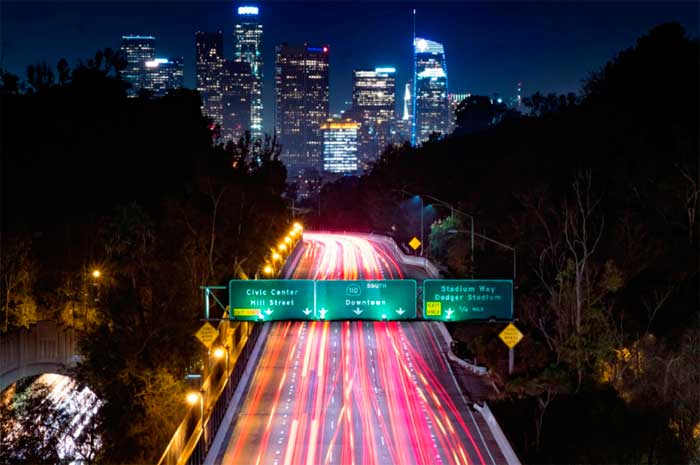
With their ability to navigate dense traffic, reduce emissions, and lower commuting costs, SOEVs are gaining popularity in cities like San Francisco and Washington, D.C. From microcars to electric scooters, these vehicles present a viable alternative for those seeking convenience and sustainability in daily transportation.
Urban Commuting Problems and the Need for Change
According to Solo Automotive, many U.S. cities are facing rising congestion as more people rely on private vehicles for short daily commutes. With limited road space and a growing population, traffic delays have become a routine part of urban life. This pressure on infrastructure often leads to longer travel times and greater stress for commuters.
Traditional gas-powered vehicles also contribute immensely to air pollution. Cities like Los Angeles and New York have struggled with air quality issues tied directly to vehicle emissions. In response, city planners and residents are seeking cleaner and more space-efficient alternatives to reduce environmental impact and improve daily mobility. The urgency of the climate crisis has only added pressure to speed up the transition to greener commuting options.
Parking has become another major challenge in dense neighborhoods. Larger vehicles take up more space, and available parking is often scarce or expensive. Compact transportation options that require less space can help ease this strain and support more efficient use of urban land. In certain districts, the time spent searching for a parking spot can rival the duration of the trip itself.
Single-Occupant Electric Vehicles (SOEVs)
Single-Occupant Electric Vehicles, or SOEVs, are compact, battery-powered modes of transportation designed for just one user. These vehicles range from small enclosed microcars to electric scooters and e-bikes, each built for efficiency in tight urban settings. Their limited seating and lightweight frames allow for easier maneuvering through congested streets and alleyways.
What sets SOEVs apart from traditional electric vehicles is their focus on minimalism and purpose-driven design. Unlike full-sized EVs, which often mirror the dimensions and features of gas-powered cars, SOEVs prioritize compactness and simplicity. They also contrast with public transportation by offering users privacy and direct control over their routes.
Many models are tailored for short-range travel and rely on smaller batteries, which reduces cost and charging times. Their streamlined size makes them ideal for short commutes, errands, or last-mile connections to transit hubs. Riders benefit from a quick ride through busy streets without sacrificing convenience.
Commuter Advantages of SOEVs
SOEVs help alleviate traffic by taking up less space on the road, which in turn allows for smoother traffic flow during peak hours. Their compact form means more of them can fit on streets without adding to congestion, making them a practical solution for inner-city travel. This is particularly useful in areas where public transit coverage is limited or inconsistent.
From a financial standpoint, SOEVs offer a low-cost alternative to car ownership. With fewer mechanical components and no need for gasoline, maintenance and daily operating costs are greatly reduced. In areas like San Francisco and Washington, D.C., commuters are saving time and money by switching to these smaller electric vehicles.
Finding a parking space becomes less stressful when using a SOEV. Many models can fit into tight curbside spots or designated micro-vehicle zones, reducing the need to circle blocks looking for an opening. This added convenience makes them especially appealing in neighborhoods where parking is limited and expensive. Some cities have even begun offering incentives like free parking or access to restricted lanes.
Effects on City Infrastructure and Planning
The growing presence of SOEVs is prompting city planners to rethink how streets are used. In many downtown areas, cities are adapting existing bike lanes and adding dedicated paths to accommodate these smaller vehicles. By reallocating road space, urban centers can support a broader mix of transportation options without expanding infrastructure.
Some municipalities are experimenting with micro-mobility hubs—centralized locations that offer charging stations, storage, and shared access to SOEVs. These hubs help integrate SOEVs into the broader transit network and encourage multi-modal commuting. As cities continue to grow, such infrastructure adjustments are becoming more common in response to changing transportation patterns.
Market Growth
Demand for SOEVs is rising steadily, especially in cities where commuting by car has become more time-consuming and costly. With fuel prices climbing and urban congestion worsening, many commuters are turning to smaller electric options that cut costs and simplify daily routines. Younger urban residents, in particular, are drawn to the convenience and sustainability these vehicles offer.
Startups and established automakers alike have recognized this shift and are racing to meet demand. From major automotive brands launching ultra-compact EV lines to newer companies specializing in app-based SOEV rentals, the market is rapidly expanding. Government incentives and environmental policies are also playing a role in encouraging adoption, making these vehicles more accessible to a wider audience.
Barriers and Future Outlook
While SOEVs offer many benefits, their widespread adoption faces several hurdles. Safety concerns, especially in mixed traffic with larger vehicles, remain a key issue. Additionally, weather limitations and battery range can make them less practical in certain climates or for longer trips.
Advances in battery technology, lightweight materials, and urban policy are helping to address these challenges. As public awareness grows and infrastructure adapts, SOEVs are poised to become a central part of city transportation strategies in the years ahead. Industry trends suggest that with continued investments, SOEVs could become as commonplace as bikes or scooters.