
In today’s world, building a successful global brand requires more than just offering a great product. It involves maintaining a consistent identity, adapting to regional preferences, and investing in innovation and customer-centric strategies. Brands that achieve global resonance often blend familiarity with flexibility, earning trust through transparency and meaningful values.
As Kurt Wichman, Albany, Ohio, highlights, they are led by forward-thinking individuals and leverage digital platforms to remain agile and competitive. Whether it’s through personalized experiences, cultural sensitivity, or technological integration, these brands continue to grow while staying true to their core.
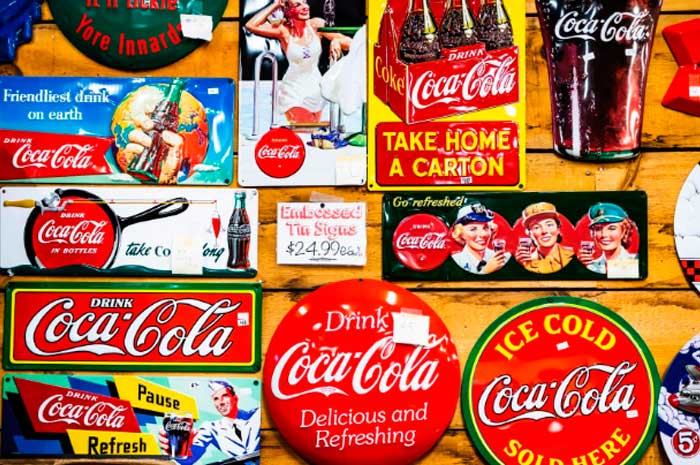
Companies like Apple, Coca-Cola, and Samsung have achieved this status by maintaining a strong presence in international markets while ensuring their branding remains consistent. Their logos, messaging, and customer experience are familiar to people across cultures, helping build trust and recognition. Their ability to remain relevant in vastly different markets speaks to the strength and clarity of their brand identity.
Consistency with Flexibility
Global brands succeed by maintaining a recognizable identity across markets while adjusting their approach to fit local tastes and expectations. This balance allows them to feel familiar yet relevant in various cultural settings. McDonald’s, for instance, adapts its menu to regional preferences, offering items like the McAloo Tikki in India or Teriyaki Burgers in Japan, while still preserving its golden arches and fast service model.
This ability to localize without diluting the brand’s essence creates a stronger connection with consumers. Apple, despite its uniform product design and branding, tailors its marketing campaigns to align with cultural nuances in different regions.
Customer Focus and Personalization
Understanding customer needs is at the heart of every top-performing global brand. These companies invest heavily in collecting and analyzing feedback to refine their offerings in real time. Amazon stands out by continuously improving its user experience, using browsing and purchase behavior to tailor suggestions and streamline the shopping experience.
Listening to customer preferences not only helps build loyalty but also drives innovation. Brands that prioritize personalization are more likely to create lasting impressions, turning one-time buyers into repeat customers. Whether through targeted email campaigns or intuitive app interfaces, the goal remains the same—meeting the customer where they are.
Innovation and Agility
Leading global brands thrive by staying ahead of the curve. They are not just reactive to change—they anticipate it. Netflix is a prime case, shifting from a DVD rental service into a dominant streaming platform, continually adapting to shifts in technology and viewer behavior. This willingness to pivot and invest sets industry leaders apart from those who fall behind.
Agility also means being able to experiment without fear of failure. Brands that promote innovation often uncover new opportunities, whether through product development, digital transformation, or partnerships that open new markets.
Trust, Transparency, and Brand Values
Long-term brand success hinges on more than just quality products; it relies on earning and maintaining trust. Consumers today demand openness and integrity from the brands they support. Patagonia has built a loyal following by embedding environmental responsibility into its business model, reinforcing its commitment to sustainability through tangible actions. Their initiatives go beyond marketing, making sustainability a core part of their operations.
When a brand communicates its values clearly and consistently, it resonates deeper with audiences. Transparency in sourcing, ethical labor practices, and clear corporate responsibility statements help global companies build enduring relationships with their customers. As values become a deciding factor for many buyers, brands that genuinely reflect their mission are more likely to earn long-term loyalty.
Leadership and Digital Integration
Visionary leadership plays a vital role in shaping a brand’s trajectory. Under Satya Nadella’s direction, Microsoft revitalized its culture and embraced cloud technology, leading to renewed growth and relevance in a competitive market.
Digital platforms are no longer optional—they’re foundational. Brands like Nike have successfully woven digital tools into every aspect of their operations, from fitness apps to online communities. This seamless integration enhances customer engagement and provides valuable data to drive smarter decisions, keeping the brand agile and future-ready. As digital ecosystems grow, the role of technology in shaping brand experiences becomes even more crucial.